About the model district, Minamisanriku Town
Where it is
Minamisanriku Town is located about 90 minutes by car from Sendai, or approximately three hours from Tokyo by Shinkansen and local train. For detailed information on transportation, accommodations, and other travel-related topics, please visit the website of the Minamisanriku Town Tourist Association.
Geographical Features
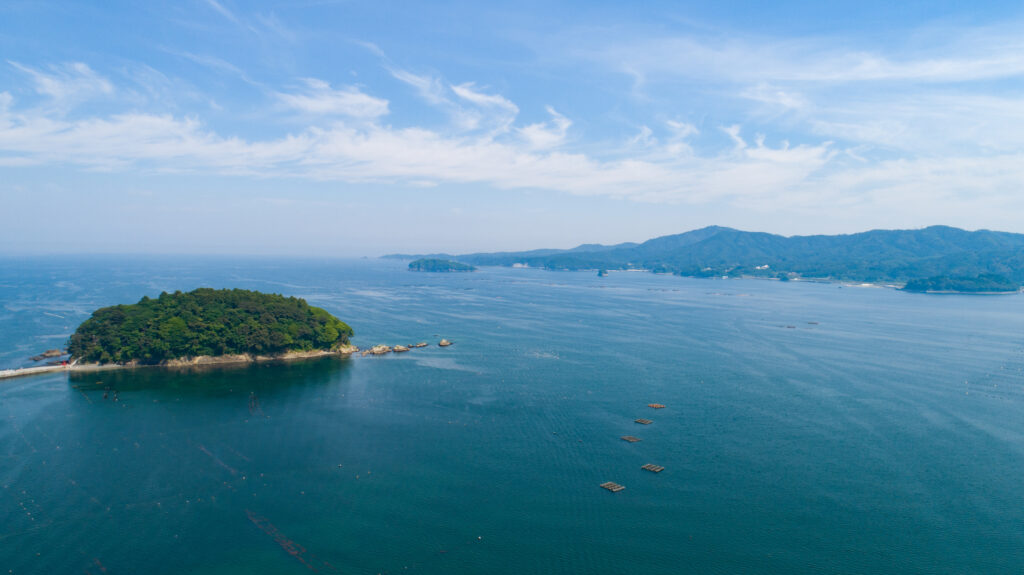
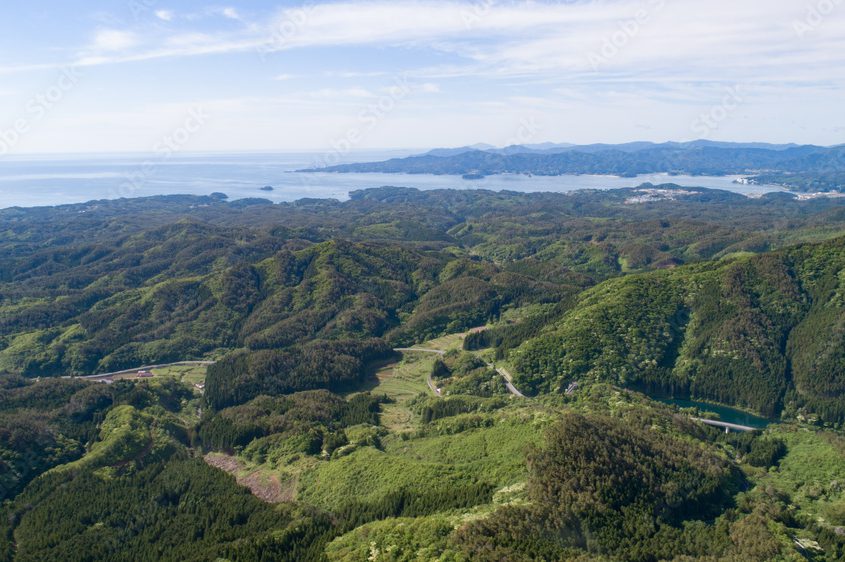
The town consists of four districts—Utatsu, Iriya, Shizugawa, and Tokura—which surround Shizugawa Bay.
Minamisanriku’s geography is distinctive in that the watershed boundaries closely align with the town’s borders. Rainfall flows through forests and villages before eventually reaching Shizugawa Bay. For this reason, the bay can be seen as a mirror that reflects human activity on land, clearly revealing the close connection between daily life and the marine environment.
Population
Minamisanriku Town has a population of approximately 10,000 people, with around 4,500 households
(as of March 2022, according to the Minamisanriku Town website).
Industry
The town’s core industry is fisheries, including the aquaculture of coho salmon, wakame seaweed, oysters, sea squirts, and scallops, as well as boat and fixed-net fishing for chum salmon and Pacific cod. These marine resources also support a local seafood processing industry.
Daily life in Minamisanriku Town is closely connected to resources from forests, villages, and the sea. The town promotes environmentally responsible forest management and recycling-oriented agriculture that uses liquid fertilizer produced at local biomass facilities. In recent years, Minamisanriku Town has also focused on tourism, with experiential learning programs and fresh local seafood attracting increasing interest.
The Great East Japan Earthquake and Recovery
On March 11, 2011, the Great East Japan Earthquake struck Minamisanriku Town with a magnitude of 8.4 and a seismic intensity of lower 6. The massive tsunami that followed—flooding the town to depths of 10.7 to 23.9 meters—caused extensive devastation, including in the town center. A total of 837 lives were lost, and 3,311 buildings were partially or completely destroyed. The fishing industry, the town’s economic backbone, was also severely damaged.
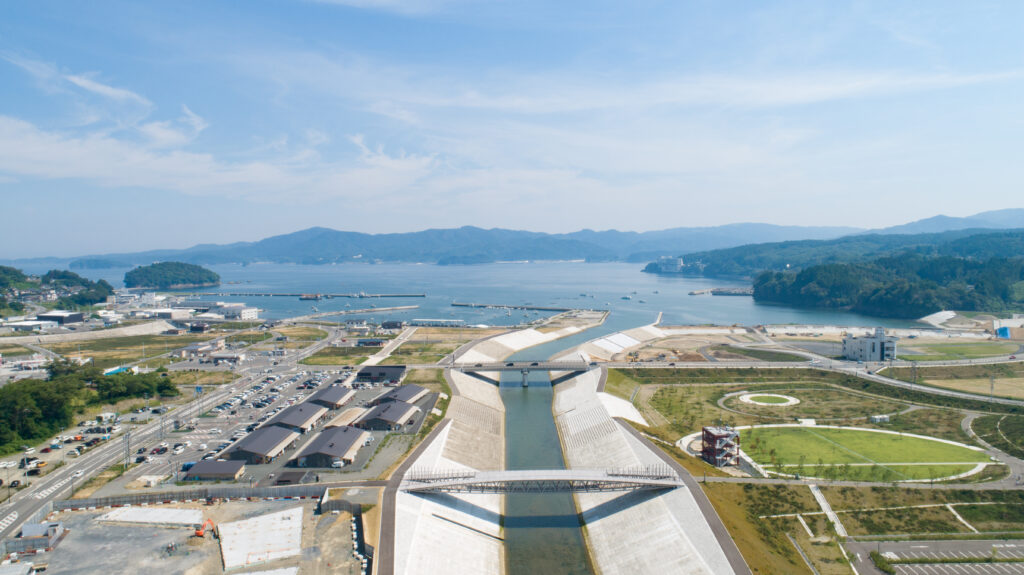
More than ten years have passed since the disaster. Coastal seawalls measuring 7.5 and 8.4 meters in height have been constructed, river embankments have been raised, and many homes have been relocated to higher ground. Reconstruction work is now largely complete. In the Shizugawa district, land that once formed the town center has been elevated, and the newly rebuilt San San Shopping Street has emerged as a lively symbol of recovery.
While the fishing industry is steadily recovering and some areas—such as Tokura—have made notable progress in aquaculture reform, ongoing poor catches of chum salmon in recent years have cast a shadow over the local economy. Population decline continues, and the aging rate reached 33% in 2015, with projections suggesting it may exceed 50% by 2050.
At the same time, Minamisanriku Town is home to forward-looking initiatives, including the Biomass Industrial City Concept and the designation of Shizugawa Bay as a wetland site of Ramsar List (Ramsar Wetlands of International Importance). These efforts highlight the town’s role as a pioneering community—one that faces significant challenges yet continues to explore innovative solutions for a sustainable future.
Minamisanriku Town’s Initiatives
Japan’s First ASC-Certified Oyster Farm
After the Great East Japan Earthquake, the Tokura Oyster Division undertook bold reforms in its aquaculture practices. Before the disaster, oysters were grown under dense farming conditions, which hindered healthy growth. Even after three years, only low-quality oysters could be shipped.
Learning from this experience, they made the difficult decision to reduce the number of oyster rafts by one-third and increase the spacing between cultivation shelves. This shift transformed oyster farming in the area. Oysters could be harvested in just one year, while both production volume and market value increased. At the same time, costs and labor hours were reduced, and the environmental impact on the marine ecosystem was significantly lowered.
To ensure the long-term sustainability of these practices, they pursued and obtained ASC (Aquaculture Stewardship Council) certification, becoming the first oyster farm in Japan to receive this international standard.
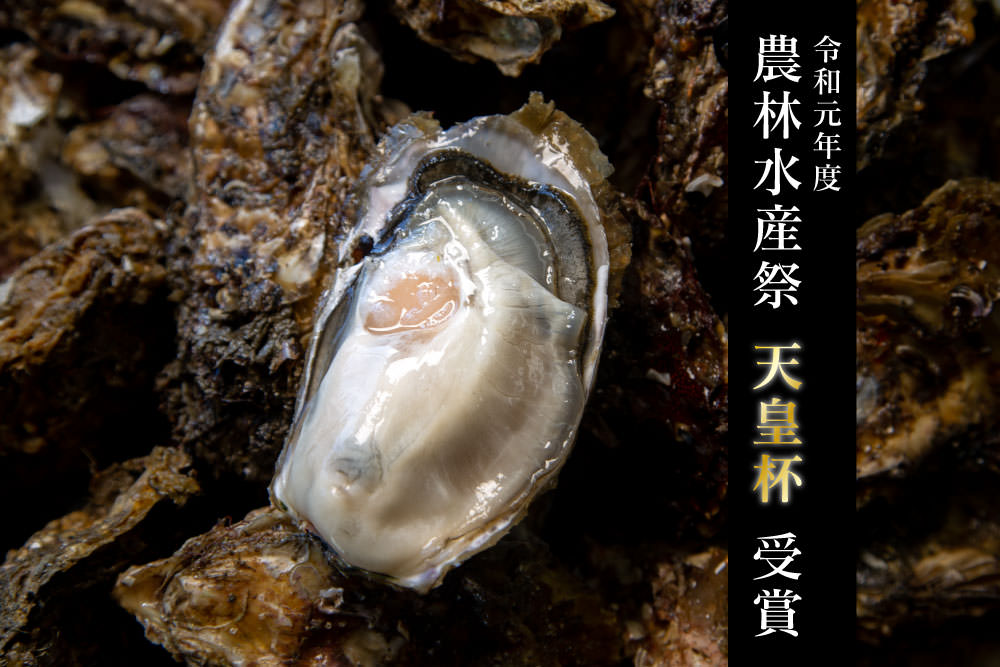
These pioneering efforts have earned widespread recognition. In 2019, the initiative was awarded the Emperor’s Cup, and it continues to attract a growing number of young fishers. Today, Minamisanriku’s oyster farming is widely regarded as a leading model of sustainable aquaculture in Japan.
FSC®-Certified Forest Management
FSC® (Forest Stewardship Council) certification is an international standard that evaluates whether forests are managed responsibly, with careful consideration for the environment, local communities, and the people who work in forestry. It also ensures that wood products originate from forests managed under these principles.
In Minamisanriku Town, local forestry groups had been working to add value to Minamisanriku cedar even before the Great East Japan Earthquake. To align local forestry practices with global standards, the Minamisanriku Forest Stewardship Alliance—a collaborative body comprising private forest owners, Keio University (Keio Forest), and the town government—took the lead in obtaining FSC® certification.
This achievement clearly demonstrates Minamisanriku’s commitment to forestry that respects forest ecosystems, ensures safe and fair working conditions, and supports local communities. Today, Minamisanriku stands as the only town in Japan to hold both FSC® certification for its forests and ASC certification for its marine resources, highlighting its integrated approach to sustainability from mountains to sea.
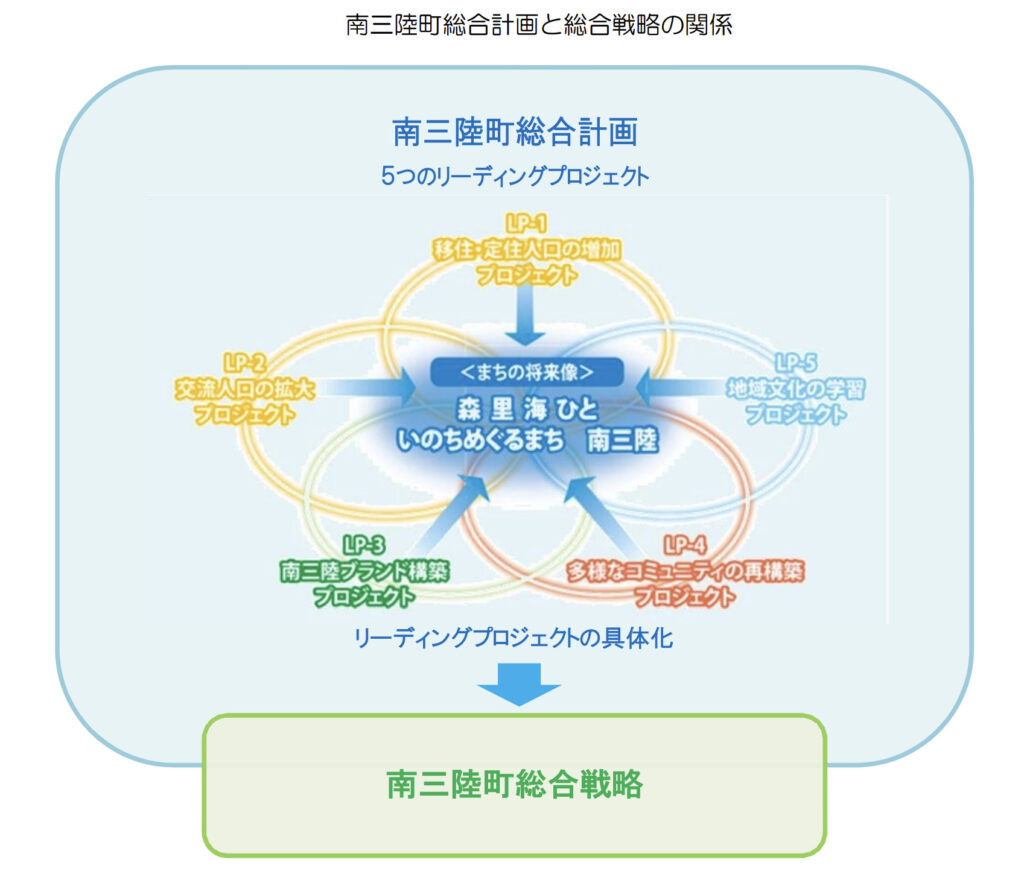
“Minamisanriku: MORI SATO UMI HITO INOCHI MEGURU MACHI”
In its Second Comprehensive Strategy, adopted in 2016, Minamisanriku Town set out its future vision as “Minamisanriku: MORI SATO UMI HITO INOCHI MEGURU MACHI.” This vision expresses the residents’ shared desire to build a town that lives in harmony with nature, as described in the Minamisanriku Earthquake Disaster Reconstruction Plan. To bring this vision to life, Minamisanriku Town is working together with public and private partners on a variety of initiatives.
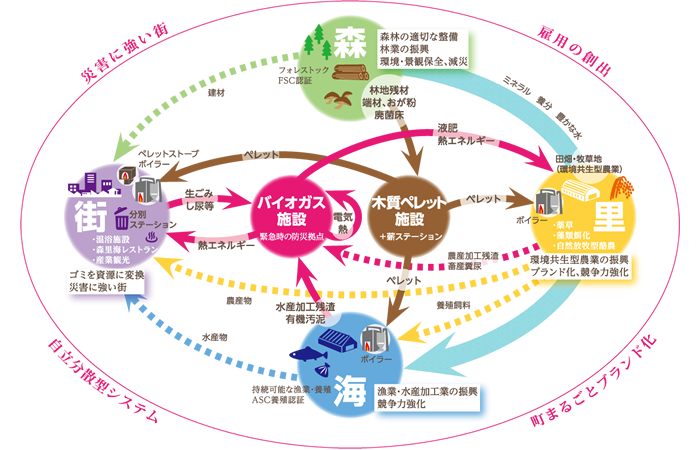
Minamisanriku Town Biomass Industrial Concept
Launched in 2013, the Minamisanriku Town Biomass Industrial City Concept marked a turning point in the town’s efforts to build a community in harmony with nature—an approach later symbolized by its ASC and FSC® certifications. Planned just two years after the Great East Japan Earthquake, the Concept reflects Minamisanriku’s strong commitment to sustainability from an early stage of recovery.
As part of this Concept, the Minamisanriku BIO biogas facility began operations in October 2015. Using methane fermentation, the facility converts the town’s food waste into electricity and liquid fertilizer, which is then returned to local farmland, creating a local, resource-circulating system.
In addition, the town is promoting the use of wood biomass energy through wood pellets. While a pellet factory has not yet been established and full commercial viability remains a challenge, Minamisanriku Town is actively encouraging adoption by subsidizing half the cost of pellet stoves for households.
Through these efforts, Minamisanriku Town continues to explore practical pathways toward a low-carbon, circular society that makes the most of local resources.
Ramsar Convention Designation
The Ramsar Convention is an international framework dedicated to the conservation of wetlands—vital ecosystems that support a rich diversity of life. One of its defining features is its emphasis not only on protecting and restoring wetlands, but also on their “wise use,” ensuring that these environments can be sustained while continuing to benefit local communities. The convention also highlights the importance of education, exchange, and public awareness (CEPA*) as key elements in achieving these goals.
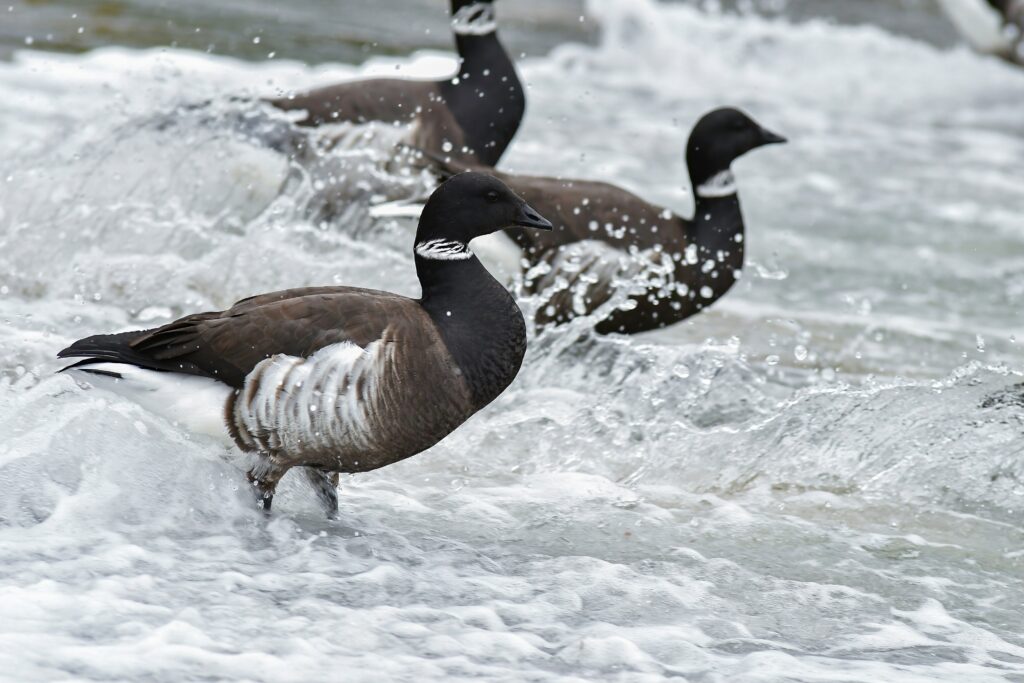
In Minamisanriku Town, nearly the entire area of Shizugawa Bay is designated as a Ramsar Wetland of International Importance. The bay’s extensive eelgrass beds provide habitat for the Brent Goose, a protected migratory species, while diverse seaweeds such as Eisenia bicolor and Laminaria japonica support marine life including sea urchins and abalone.
In March 2022, the Shizugawa Bay Conservation and Utilization Plan was established to guide the long-term protection and sustainable use of the bay. This plan ensures that the natural richness of Shizugawa Bay can be preserved and enjoyed by future generations.
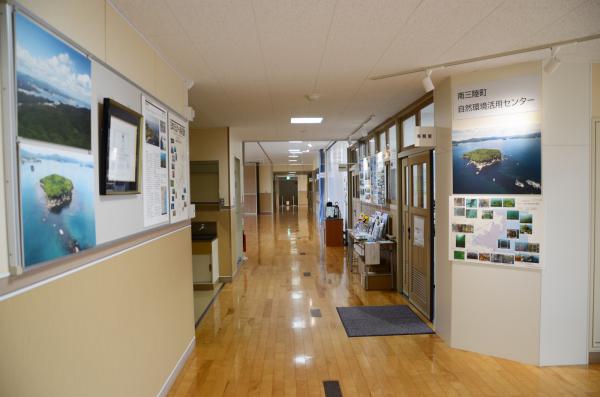
Minamisanriku Nature Center
The Minamisanriku Nature Center, which is a town-run research, study, and educational institution, unique in Japan, has had researchers stationed there since 1999, conducting research on the creatures and environment of Shizugawa Bay. It also serves as a hub for external researchers conducting research on Minamisanriku Town’s natural environment.
It also provides guidance for tidal flat surveys by the local Shizugawa High School Natural Science Club and serves as a base for the Children’s Eco Club’s activities.
After being damaged in the earthquake, it was temporarily closed and used as a preparation room, but in February 2020 it was rebuilt and reopened on the second floor of the Tokura Community Center in the town.
When Shizugawa Bay was registered as a Ramsar Convention site, the results of the steady accumulation of survey and research activities were recognized and contributed greatly to the realization of the site’s registration.
Center for Sustainable Society
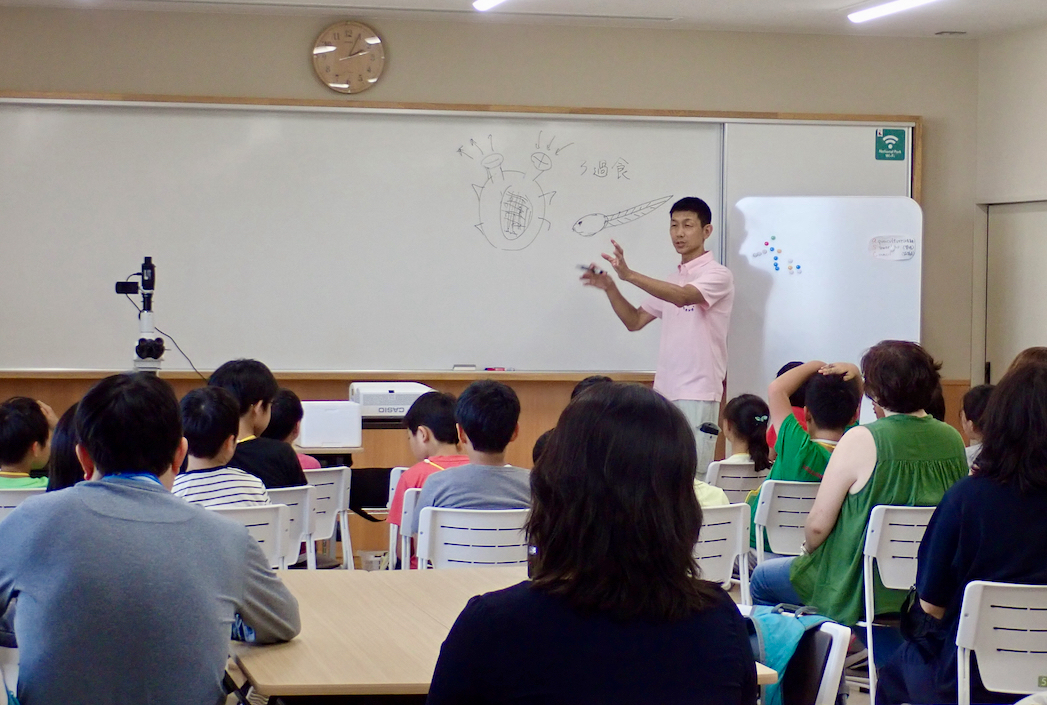
The Center for Sustainable Society was established by private volunteers to help realize the “Regional Resource Platform” envisioned in the Minamisanriku Town Comprehensive Strategy. Working in collaboration with the Nature Center, the association carries out a wide range of activities to promote and put into practice the concept of “Minamisanriku: MORI SATO UMI HITO INOCHI MEGURU MACHI.”
Our activities address interconnected environmental, social, and economic challenges across the region, including:
Support for regional consensus-building initiatives
・Understanding the current state of ocean acidification in Shizugawa Bay
・Biodiversity surveys using environmental DNA and underwater sampling
・Branding and promotion of Tokurakko Selected Shelled Oysters
・Hosting courses on sustainability studies
・Active learning programs focused on biology and the environment
・Coordination of regional internship programs
・Secretariat services for the Communities of Life Forum (Minamisanriku INOCHI MEGURU MACHI GAKKAI)
・Secretariat services for Satoumi Satoyama Weeks (Environment × Tourism)
About Membership
We welcome participation from anyone who is even slightly interested in realizing “MEGURU GA MIERU” and who would like to work with us.
Please feel free to contact us with any questions or concerns you may have about us.